It started on a beach.
Favone is a strip of sand on the east coast of Corsica, a pine wood behind it and the Tyrrhenian in front. Our grandfather spent every summer of his life there, and in almost every photograph he left us, he is wearing a knitted polo.
The feeling we are after
Not a look, a temperature. Quiet colors, a collar that behaves, clothes that have obviously been somewhere. Old money without the money, and without the stiffness that usually comes with it.
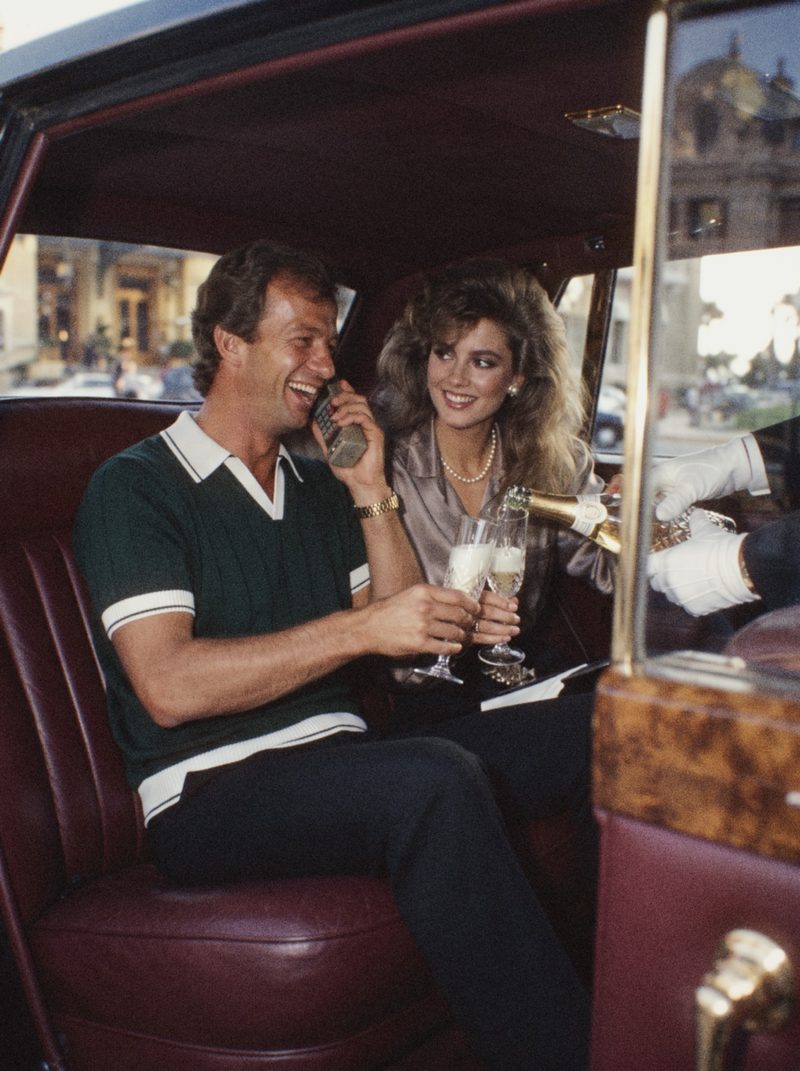
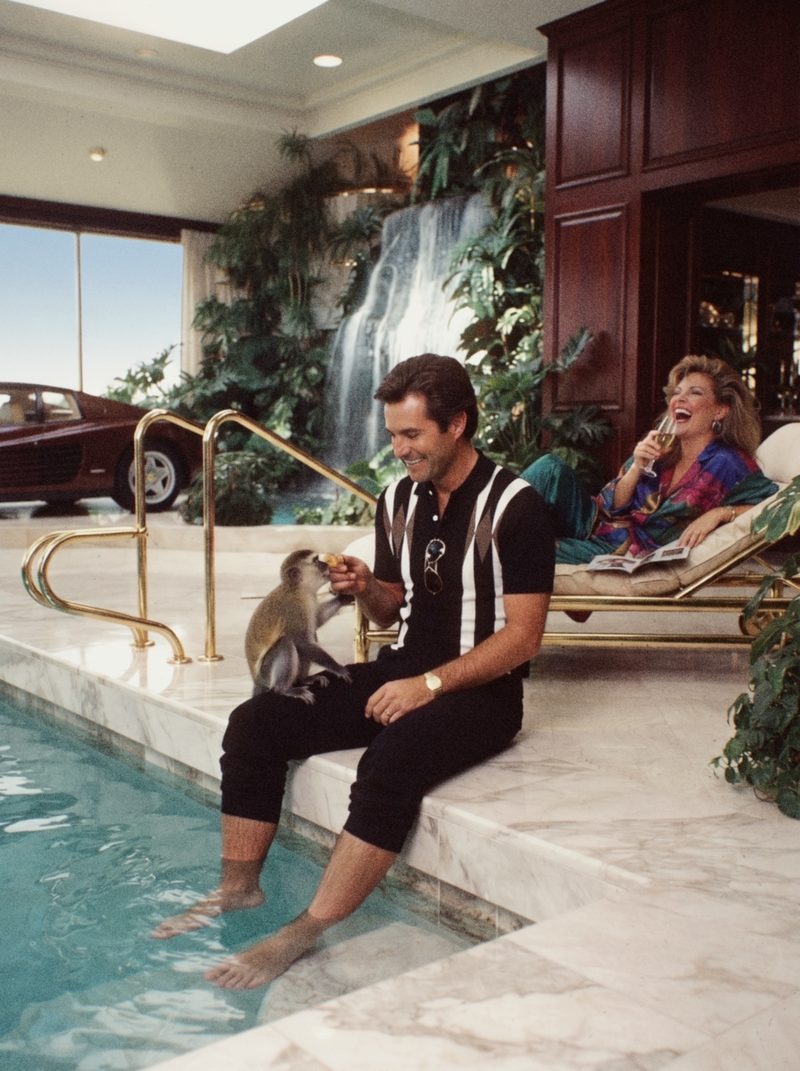
The photographs came first.
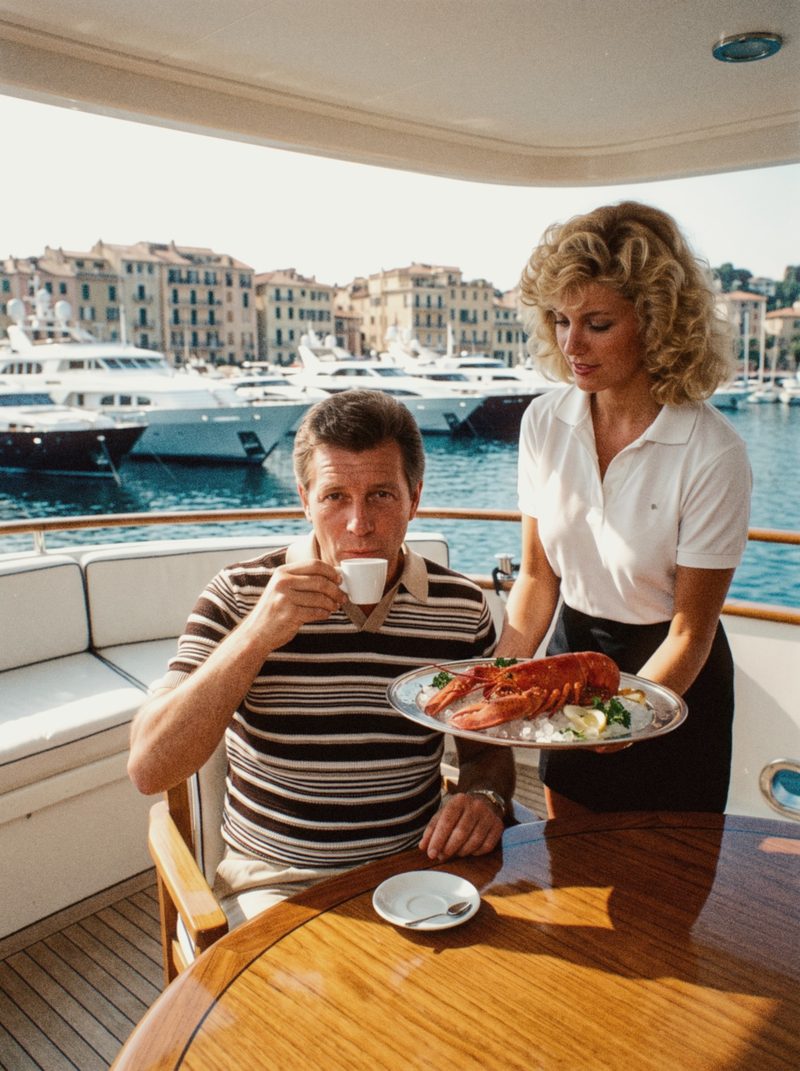
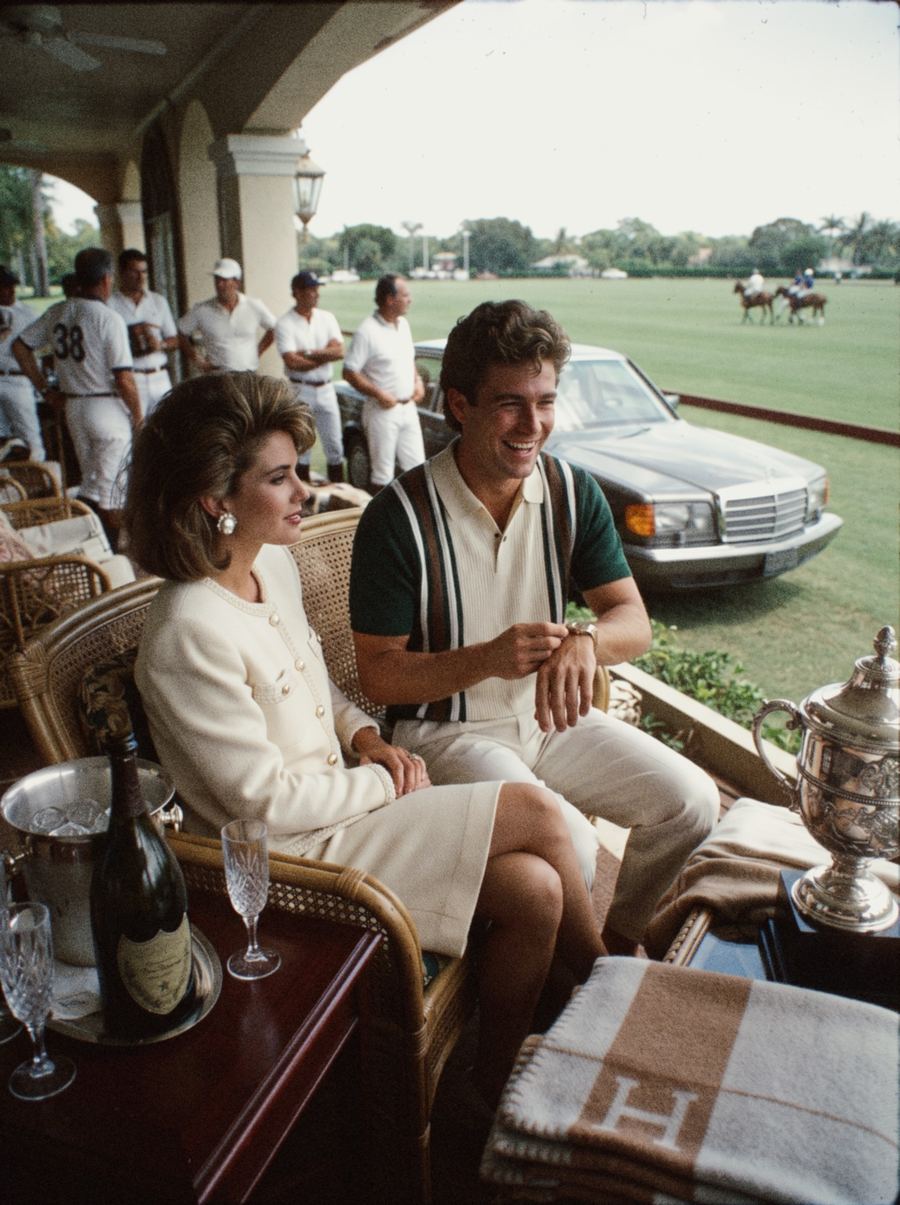
We found them in a biscuit tin. Black and white until the sixties, washed out color after that. The same beach, the same man, thirty summers, and always the same shirt.
The collar sits flat instead of curling. The knit has body, so it falls rather than hangs. Worn open, tucked loosely, nothing underneath. Not sportswear, not dressed up. That was the whole brief: we could not buy that shirt anywhere, so we had it made.
Where the shirt comes from
The polo was invented three times, by three people who were not trying to invent it.
-
011860s, British India
A button, to stop the wind
Cavalry officers play polo in long shirts, and the wind keeps folding their collars into their faces. Someone sews a button on each collar point. The shirt takes the name of a game it will soon leave behind.
-
021896, New York
The idea crosses the Atlantic
John Brooks watches a match in England, notices the buttoned collars, and takes the idea home. Brooks Brothers puts it on a dress shirt, and it stays American ever after.
-
031926, Forest Hills
The Crocodile cuts his sleeves
René Lacoste, tired of playing in long sleeves and a starched collar, turns up at the US Championships in short sleeves, soft cotton piqué, and a ribbed collar he can turn up against the sun. A year later, a small crocodile is stitched on the chest.
-
041933, Troyes
Three decisions, still standing
Lacoste and André Gillier put the shirt on sale. Piqué so the air moves through it, a ribbed collar that holds its shape, a tail cut longer at the back so it stays tucked. Every polo since is a variation on those three decisions.
-
05The fifties, the Mediterranean
It leaves the court
On the coast the shirt is knitted rather than woven, in colors no tennis club would have allowed. Worn open, sleeves at the elbow, nothing underneath. This is the polo in the photographs.
-
06Now, Favone
The holiday one
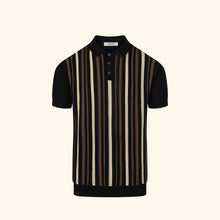
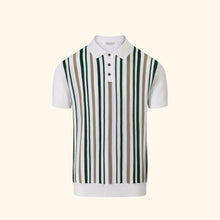
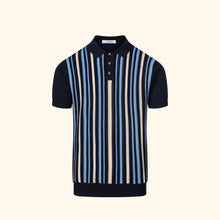
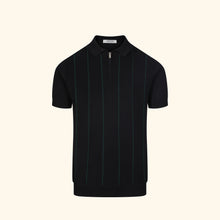
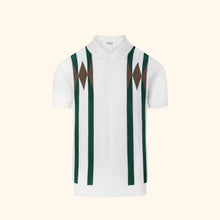
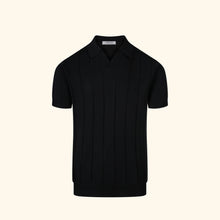
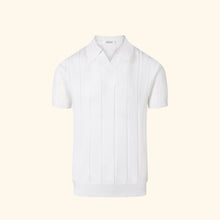
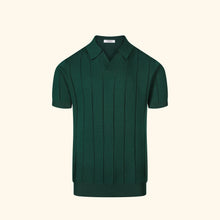
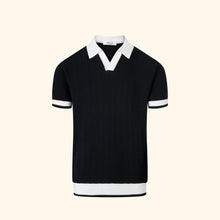
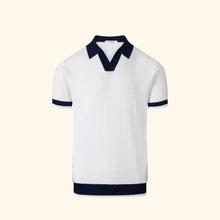
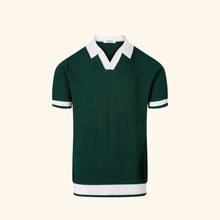
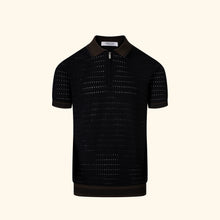
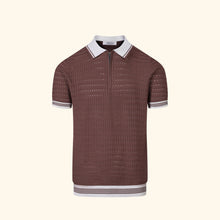
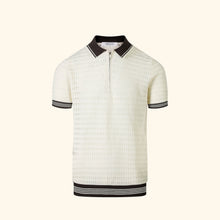
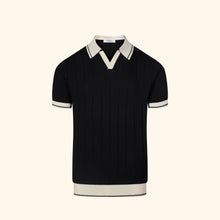
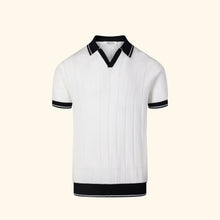
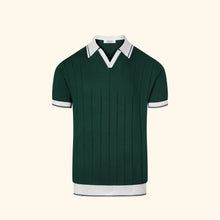
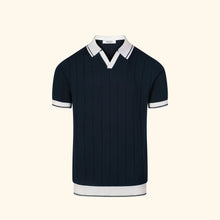
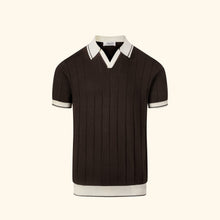
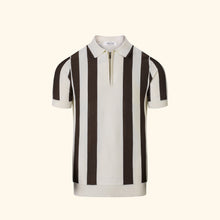
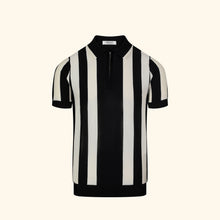
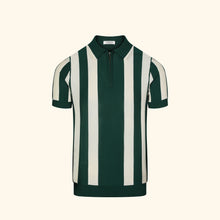
We make that shirt, not the sports one. Same knit, same collar, the colors of one beach.
What we actually make
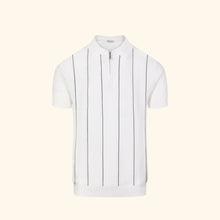
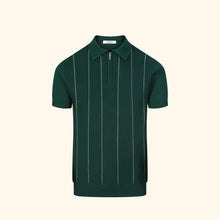
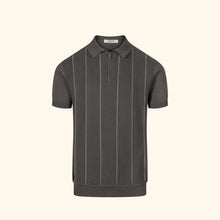
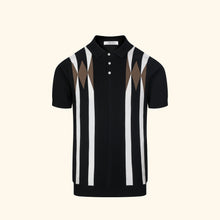
A handful of polos, a handful of colors, sold a few at a time.
See the polos